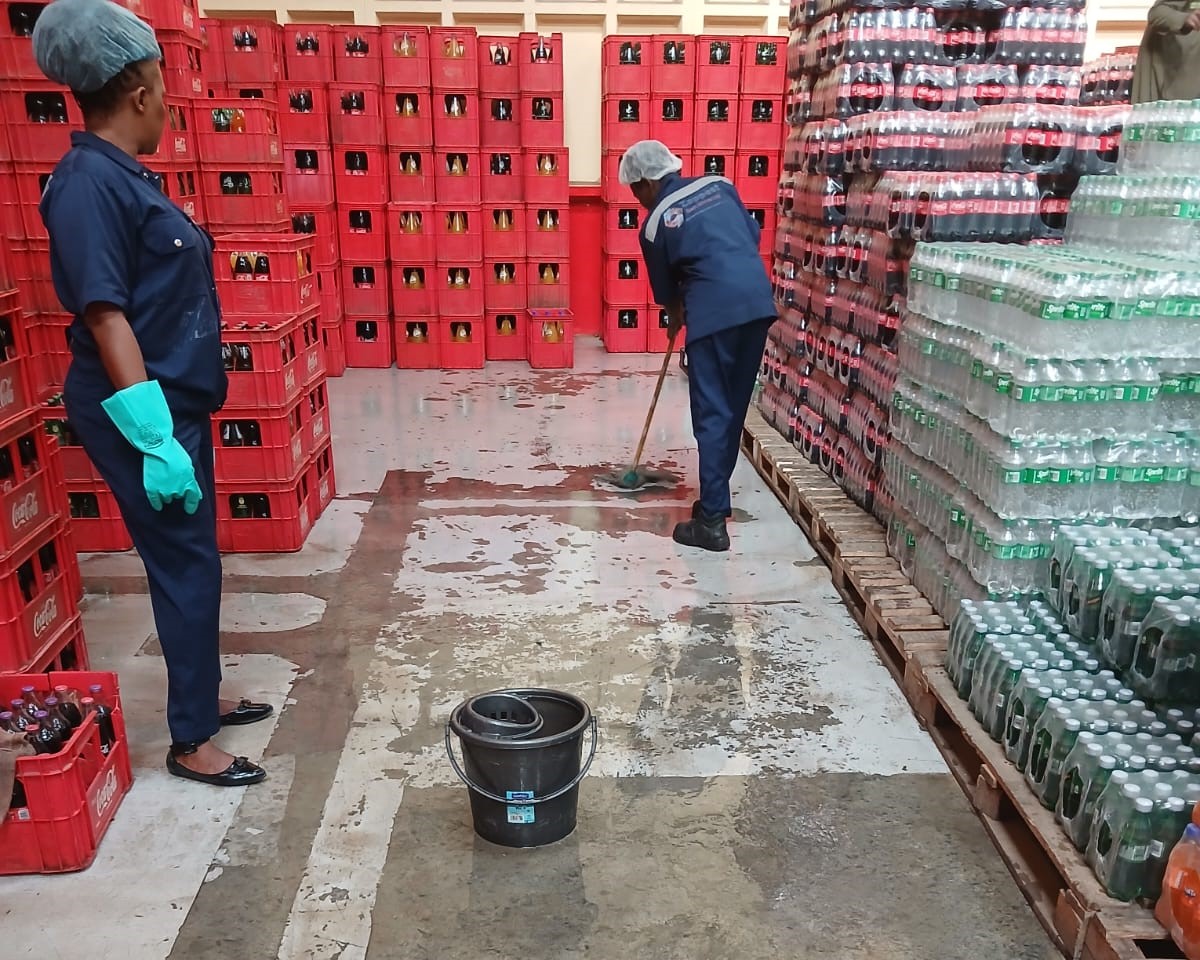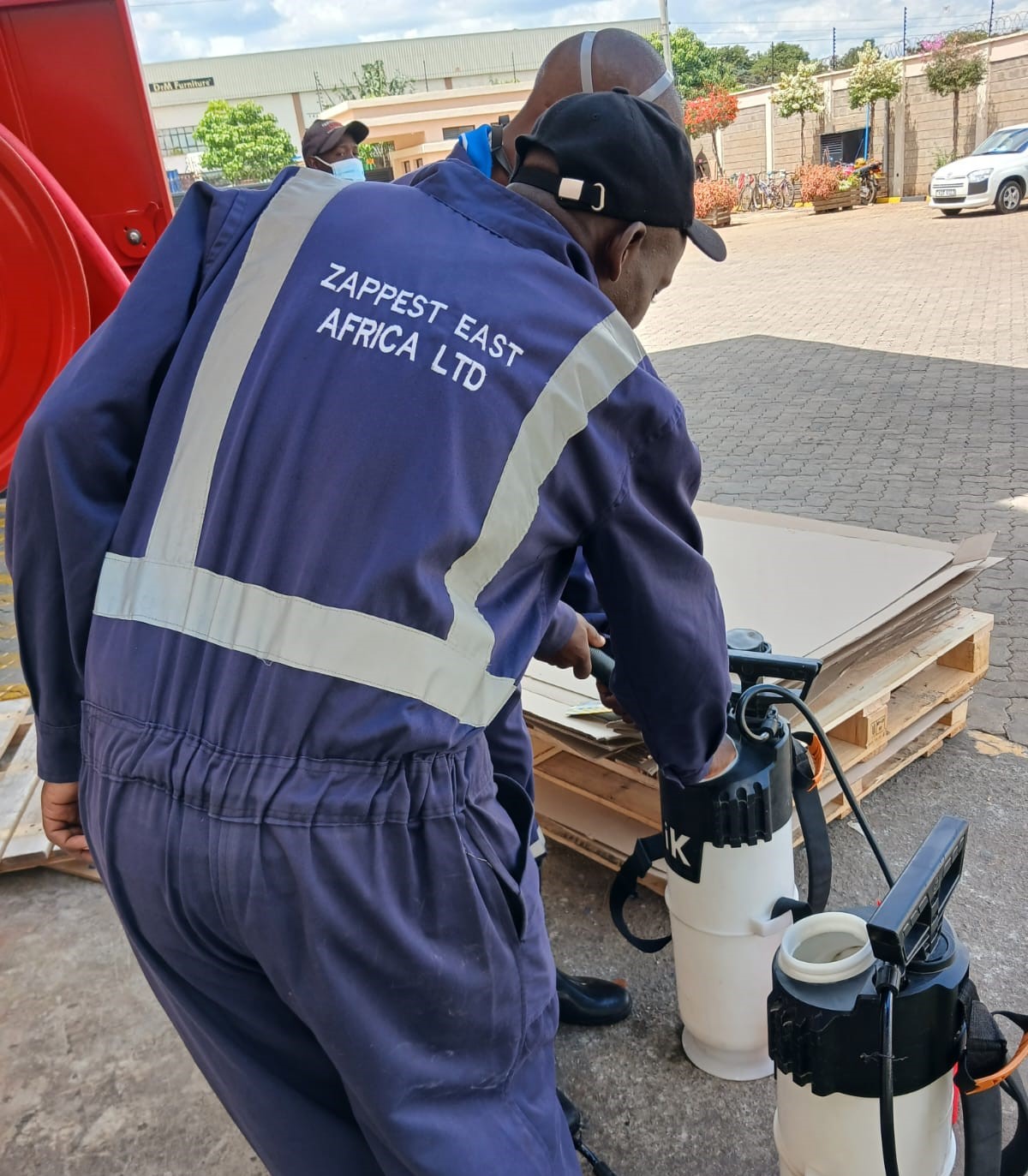
On May 17, 2026, the World Health Organization officially classified the Ebola Bundibugyo virus outbreak in DRC and Uganda as a Public Health Emergency of International Concern (PHEIC) - the highest global alert level. The outbreak was first confirmed in Ituri Province (northeastern DRC) on May 15, 2026, and has since spread across Nord-Kivu, Sud-Kivu, and into Uganda's capital, Kampala. Cross-border movement and population displacement are accelerating transmission risks. No licensed vaccines or specific treatments currently exist for the Bundibugyo strain, making surface decontamination, waste disinfection, and rigorous sanitation the frontline defence.
With no licensed vaccine for the Bundibugyo strain, the WHO and CDC confirm that rigorous surface decontamination, proper waste disposal, and chemical disinfection of contact zones are the most reliable barriers against spread. Facilities handling cross-border cargo, warehouses, and high-footfall environments face elevated exposure risk.
Kenya's urban density, year-round warmth, and rapid pest reproduction demand structured treatment schedules. Industry experts recommend frequency based on property type and pest risk.
Market analysis shows Kenya's pest control sector increasingly adopts sustainable methods. Growing ecological awareness drives demand for low-toxicity treatments, biological controls, and smart monitoring technology. NEMA regulations accelerate this green transition.
Our Eco-Safe Services
An in-depth overview on how recent operational policy amendments affect logistics networks across regional pipelines.
Read Full Story
Our advanced compliance engineering team shares safe application metrics required to pass phytosanitary clearance frameworks seamlessly.
Read Full Story
Discover how deep industrial factory scrub strategies clear fine toxic components, protecting employee safety metrics.
Read Full Story